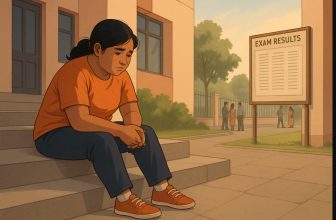
Despite rapid changes in science, technology, environment, and society, much of what you learn in Indian schools still follows outdated information. Textbooks often lag behind real-world progress by several years, sometimes even decades. As a result, you might graduate knowing facts that are no longer accurate or never were.
Here are 12 things still taught in Indian schools that are no longer true or relevant in 2025.
1. Pluto Is a Planet
Many textbooks still list Pluto as the ninth planet in the solar system. But the International Astronomical Union reclassified Pluto as a “dwarf planet” in 2006.
What’s true: Pluto is no longer officially part of our main planetary lineup. It shares its status with other celestial bodies like Eris and Haumea.
2. India Has 29 States
Some schoolbooks still mention 29 states, excluding Ladakh or not recognizing the latest administrative divisions.
What’s true: India has 28 states and 8 Union Territories, after the reorganization of Jammu & Kashmir in 2019.
3. Humans Have 5 Senses
You’re often taught that humans have five senses: sight, smell, hearing, touch, and taste.
What’s true: Modern science recognizes at least 9-20 senses, including balance, temperature, pain, hunger, and proprioception (sense of body position).
4. The Brain Stops Growing After Childhood
Old biology textbooks often suggest the brain stops developing after a certain age.
What’s true: Neuroscience confirms neuroplasticity your brain continues to adapt and form new connections throughout life.
5. You’ll Use Trigonometry Daily in Adult Life
Students are told that math topics like trigonometry or calculus are essential for everyday life.
What’s true: Most people never use advanced math unless they’re in specialized fields. But basic financial skills, digital tools, and data literacy are far more relevant and rarely taught well.
6. The British Gave India Railways and Unity
Some history lessons still credit colonial rulers for developing infrastructure and “unifying” India.
What’s true: Railways and administration served British economic interests, not Indian progress. India’s cultural and political unity predates British rule by centuries.
7. All Good Jobs Require a College Degree
You may still hear that you must attend college to succeed in life.
What’s true: Many high-paying and stable careers now exist in skilled trades, online freelancing, tech certifications, and startups no college degree required.
8. You Must Stick to One Career
Career guidance in schools still pushes you toward a “lifetime profession.”
What’s true: Most people will change careers multiple times. You need adaptability, not just one fixed plan.
9. The Internet Is Dangerous Avoid It
Some schools treat the internet as harmful, with no structured digital literacy education.
What’s true: The internet is an essential tool. Knowing how to filter misinformation, manage digital identity, and use AI tools is a survival skill—not a threat.
10. Only Science and Math Students Are Smart
Indian schools often value science and math streams over arts, commerce, or vocational fields.
What’s true: Every stream has value. Designers, chefs, social media analysts, and content creators earn well and build meaningful careers. Intelligence is not limited to STEM subjects.
11. Global Warming Will Be a Future Problem
Environmental studies sometimes present climate change as a distant threat.
What’s true: India faces climate emergencies right now from floods to heatwaves. Sustainability and environmental action are urgent life skills.
12. Success Means High Marks in Exams
Marks are still the primary measure of a student’s worth in many schools.
What’s true: Real-world success depends more on skills, creativity, communication, and learning ability than just scores.
Why This Matters
You live in a world of fast change, but your textbooks often don’t reflect that. The problem isn’t just outdated facts it’s the mindset. If you’re taught things that don’t align with reality, you’ll feel unprepared for life after school.
What You Can Do
- Question what you learn stay curious beyond textbooks.
- Use reliable online resources to stay updated.
- Discuss new developments with teachers and peers.
- Learn how to learn, not just what to learn.
Summary – Facts Changed But Many Indian Schools Haven’t Noticed
You grow up learning that school prepares you for life but that’s only true if the lessons keep up with reality. In 2025, too many Indian classrooms still teach facts that no longer apply. You’re tested on outdated content while the world outside evolves rapidly.
That doesn’t mean school is useless. It means you need to think beyond the textbook.
Keep asking questions. Stay updated with trusted sources. Don’t assume that what’s printed is always current. What you believe to be a fact today might already be obsolete tomorrow.
If you’re a student, stay curious and flexible. If you’re a parent or teacher, challenge the curriculum when needed. India’s education system has strengths but you have to fill in the gaps it leaves behind.